


Shhh! This post is about brass mutes!
The latest episode of our fun new series, Just In Case (in which Winston-Salem Symphony musicians show us what’s inside their mysterious cases), features WSS trumpeter Ken Wilmot showing off the wide variety of “mutes” that he may need to use during the course of a season of concerts—and sometimes many of them on the same concert!
Why do brass players use these bottle-shaped things?
Mutes have been around for a long time.
Their exact origin is uncertain, but mutes for brass instruments were first described in the early 1500’s, then appeared in scores from as early as Monteverdi’s 1607 opera Orfeo. They appeared in the illustrated encyclopedias of music by Michael Praetorius (c.1618) and Marin Mersenne (1637).
Mutes in the slightly overlapping “Renaissance” (roughly 1500-1650) and the “Baroque” (1600-1750) periods of music were made of wood and resembled bottles or drinking glasses in shape. By the Romantic period (19th century), the shape had changed slightly and new materials were being used in their manufacture.
These days, mutes are available for all brass instruments, and—especially since the early jazz age—they are made in many different shapes according to their function and sound, and are made from a wide variety of materials from wood and cardboard to aluminum, copper, and carbon-fiber, and some are even 3D-printed. And before you ask: yes, there is a tuba mute and it is about the same size as a standard traffic cone.

In their music, depending upon the composer, musicians may see markings indicating the use of mutes…
Con sordino (Italian)
Sourdine (French)
Mit Dämpfer (German)
…then removing them:
Senza sordino
Otez sourdine!
Ohne Dämpfer
Many mute changes need to happen very fast, so audiences will see brass players throw mutes into their laps or even tuck them behind their knees for quick access!
Hear muted brass in these concerts this season.
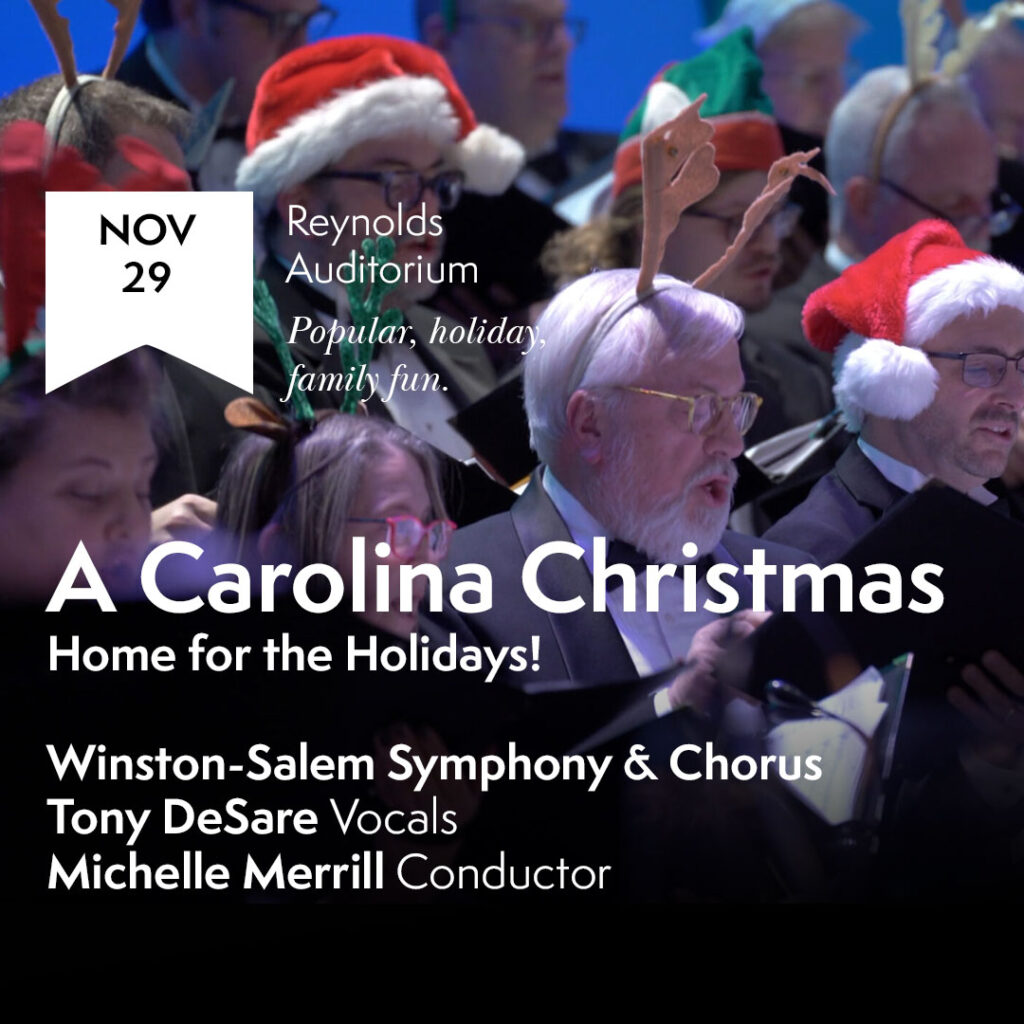
The largest variety of mutes appears in Pops-themed concerts and you’ll certainly hear these in our annual kickoff to the holiday season.
A Carolina Christmas:
Home for the Holidays!
Saturday, Nov 29 at 7:30
Reynolds Auditorium

Muted brass are featured in the wild opening to Anna Clyne’s This Midnight Hour and also in the vaudvillean passages of Weill’s The Seven Deadly Sins.
STORM LARGE
The Seven Deadly Sins
Saturday, Apr 25 at 7:30
Sunday, Apr 26 at 3:00
Reynolds Auditorium
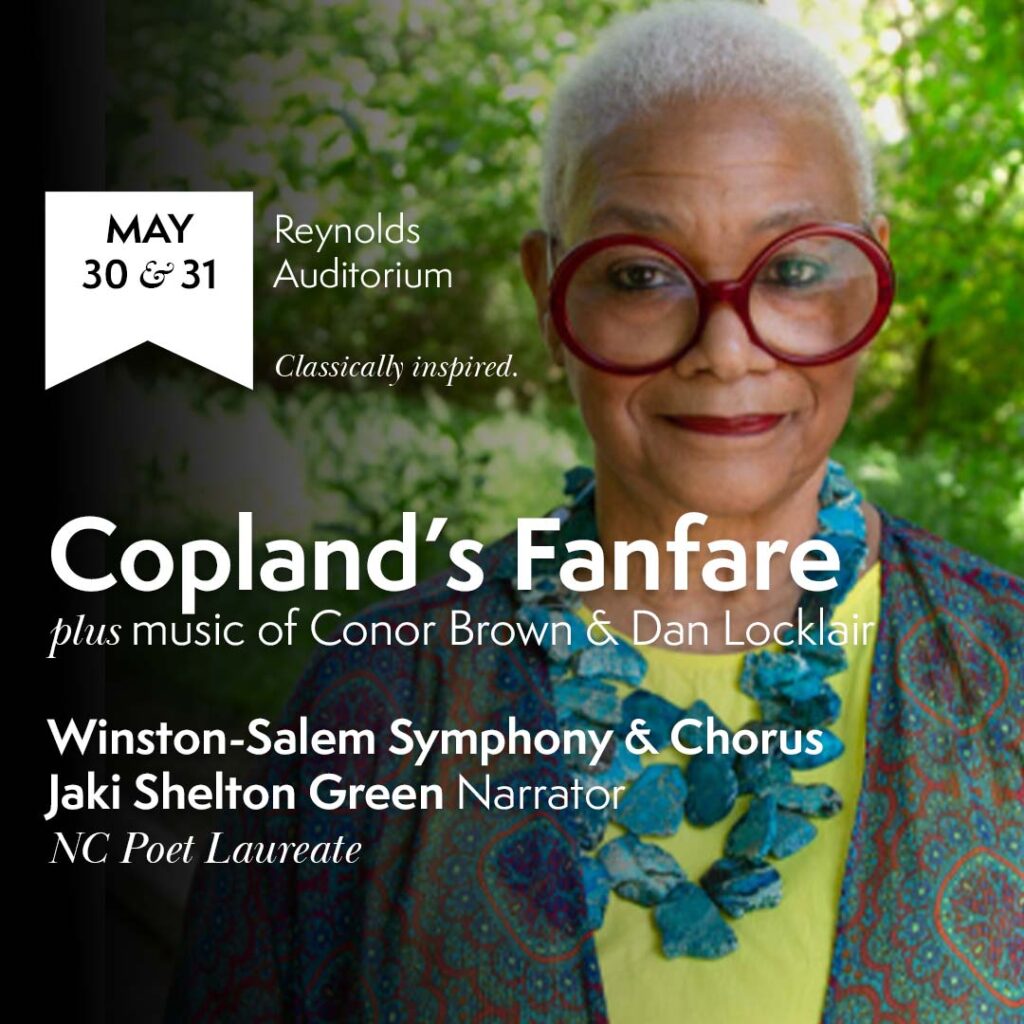
Harmon mutes for the trumpets and stop-mutes for the horns open Conor Brown’s colorful How to Relax with Origami—the first piece on our season finale. Brown uses mutes generously as a counterpart to the woodwinds and the many percussion instruments you’ll experience in the back of the orchestra.
Copland’s Fanfare
plus music of Conor Brown & Dan Locklair
Saturday, May 30 at 7:30
Sunday, May 31 at 3:00
Reynolds Auditorium