


The delicate art of reed-making
You may have seen our recent social media post featuring the kickoff to a fun new series, Just In Case, in which Winston-Salem Symphony musicians show us what’s inside their mysterious cases.
In this episode, WSS principal oboist Claire Kostic displayed the interesting accoutrements inside her fancy backback case—including two dangerous knives!
But why would Claire carry knives with her oboe?
Did you know oboists and bassoonists actually make their own reeds?
Oboes and bassoons are members of the woodwind family of instruments that typically sit right in the middle of the orchestra. These two instruments (and their cousins, the English horn and the Contrabassoon) are specifically double-reed instruments. When an oboist or bassoonist blows into their instrument, their breath causes two very thin, tightly-wrapped reeds to vibrate together, making the sound that you hear.
Double-reed players—and the reeds themselves—are particularly attuned to variables. The players shape their reeds using knives and other tools in the days before a rehearsal or performance, and they occasionally may even need to make adjustments to their reeds onstage during a rehearsal or performance, hence the music stand-mounted table and tools in Claire’s video.
We made a fun, brief video several years ago with principal bassoonist, Saxton Rose, while he made a reed in his studio at the University of North Carolina School of the Arts. See him (and hear him) in action:
See the double reeds in action this season.
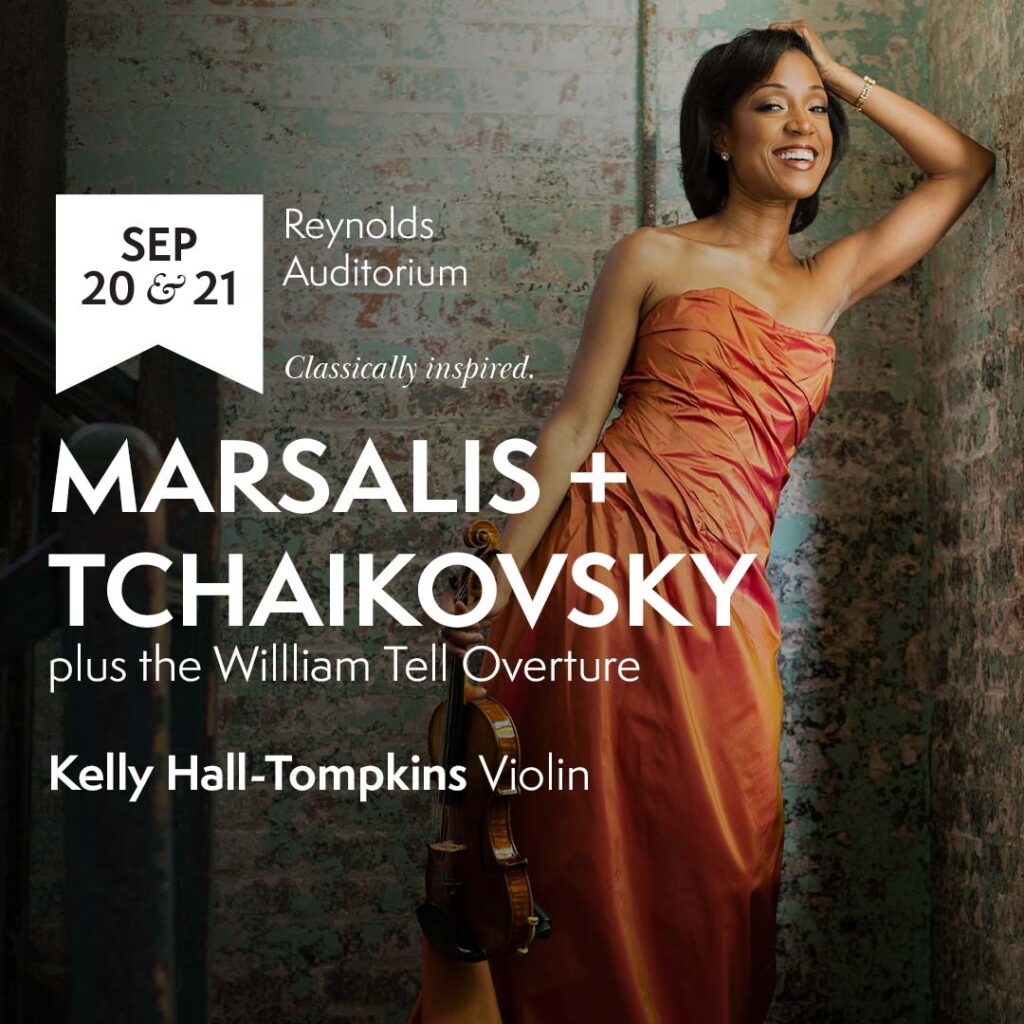
The bassoon is featured in beautiful solos in Tchaikovsky’s Symphony No. 5, shared on this program with Rossini’s William Tell Overture and a jazzy violin concerto by Wynton Marsalis.
MARSALIS + TCHAIKOVSKY
plus the William Tell Overture
Saturday, Sep 20 at 7:30
Sunday, Sep 21 at 3:00
Reynolds Auditorium
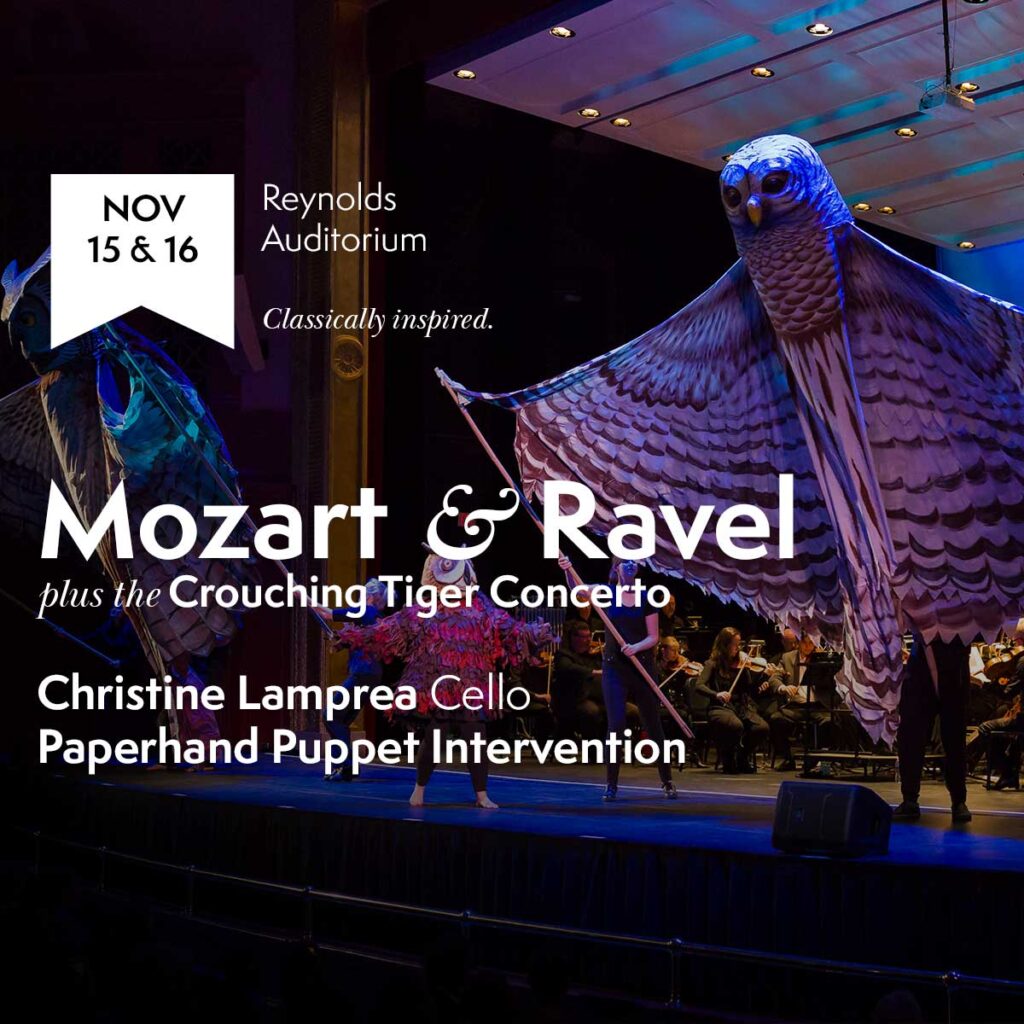
The contrabassoon—the bassoon’s floor-rattling deeper cousin—has some memorable solos in Ravel’s Mother Goose ballet suite, which we’ll perform alongside the amazing puppets of Paperhand Puppet Intervention. Mozart’s Magic Flute overture and a hauntingly beautiful cello concerto by Tan Dun complement this forest-themed program.
Mozart & Ravel
plus the Crouching Tiger Concerto
Saturday, Nov 15 at 7:30
Sunday, Nov 16 at 3:00
Reynolds Auditorium
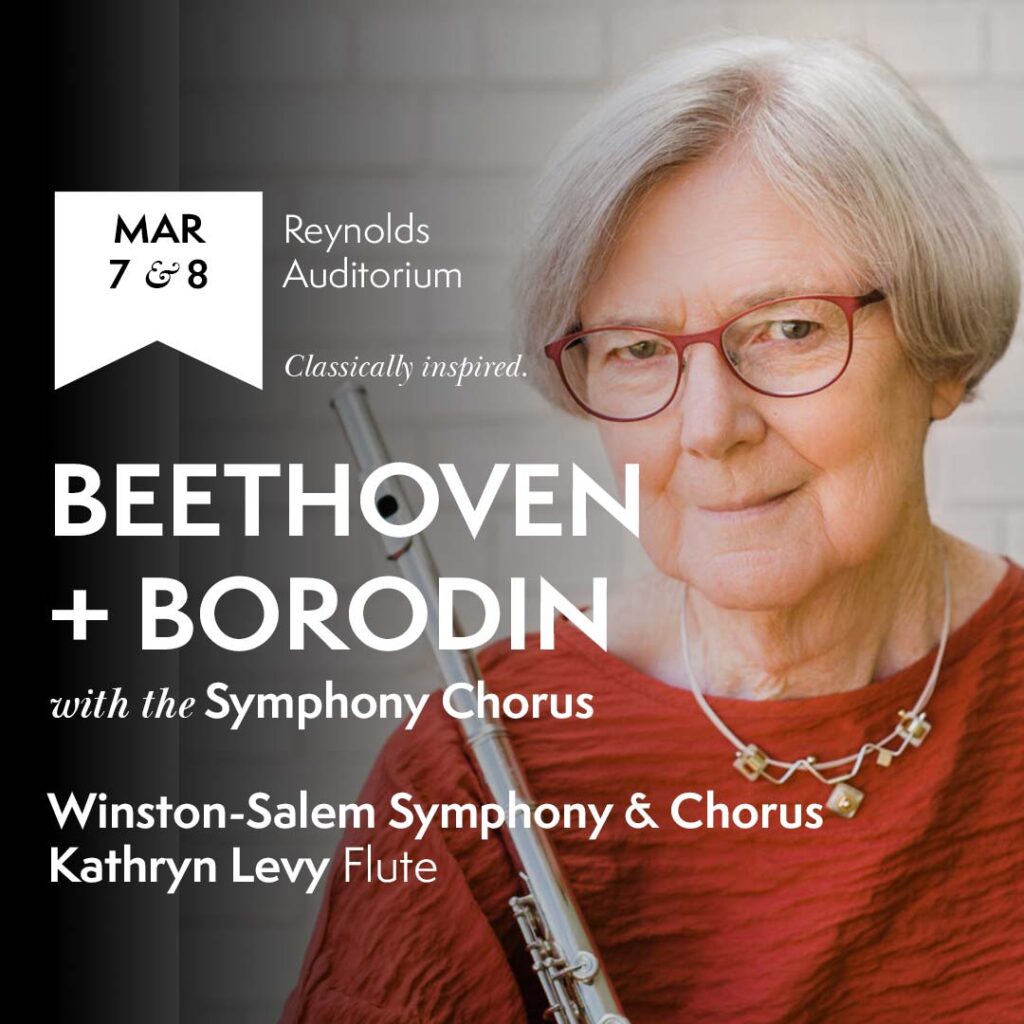
The oboes play prominently in any Beethoven symphony and his joyful Symphony No. 8 is no exception. Hear it alongside works by Charles Griffes (featuring WSS principal flutist, Kathryn Levy), Quinn Mason, and Alexander Borodin’s Polovtsian Dances with the Symphony Chorus.
BEETHOVEN + BORODIN
with the Symphony Chorus
Saturday, Mar 7 at 7:30
Sunday, Mar 8 at 3:00
Reynolds Auditorium