


Seven Deadly Sins and the Man Who Fled the Nazis to Write About Them
If you think the world feels politically anxious right now, imagine being a Jewish composer in Germany in 1933. That’s exactly where Kurt Weill found himself — and what he created on his way out the door is one of the most fascinatingly weird, sharp-elbowed pieces in the concert repertoire.
Who Was Kurt Weill?
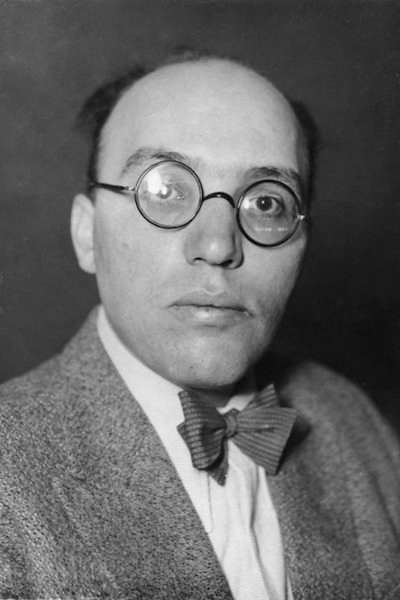
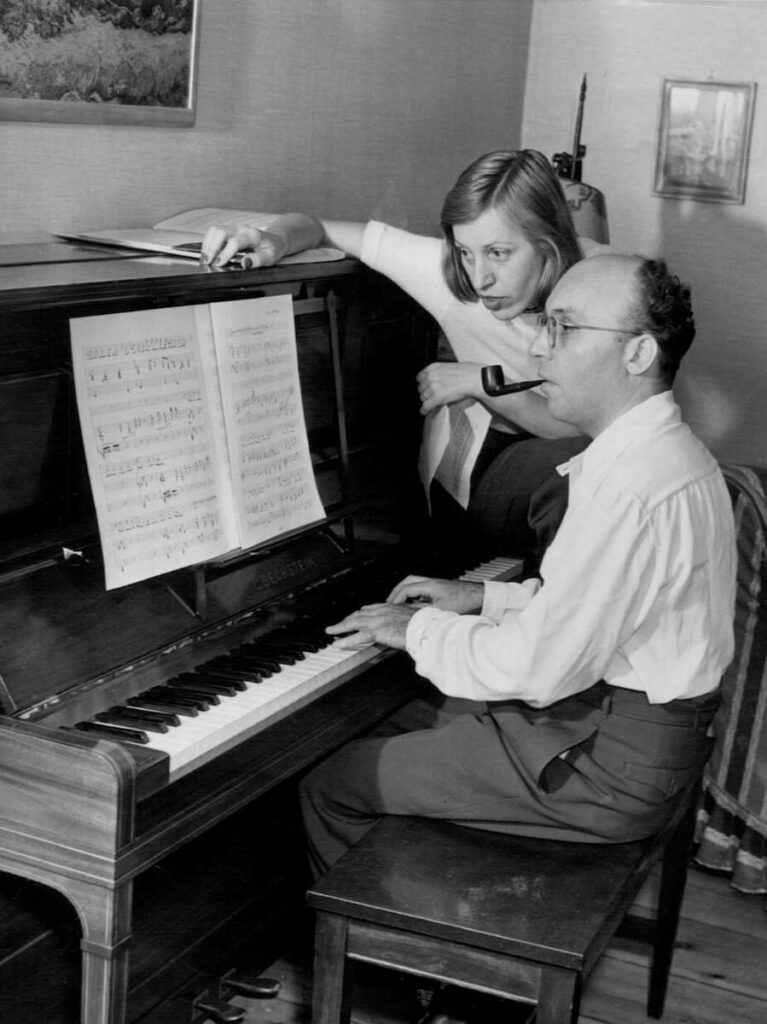
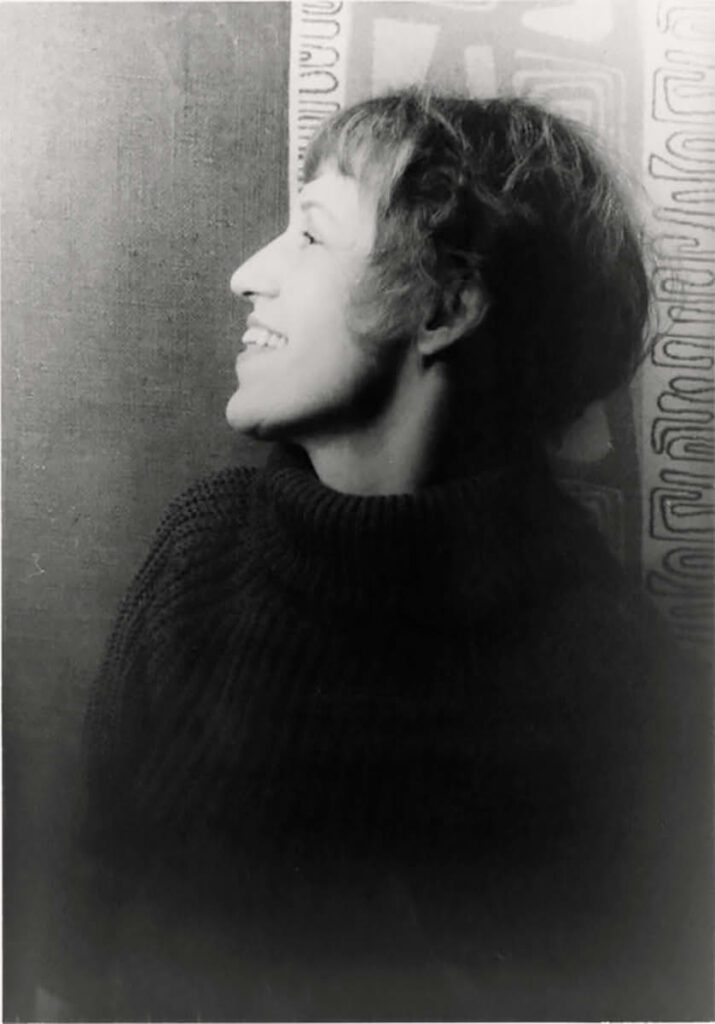
Born in Dessau, Germany in 1900, Weill was practically steeped in music from birth — his father was the cantor at the local synagogue. By his twenties he’d landed in Berlin, rubbing elbows with avant-garde composers and soaking up the city’s electric, anything-goes creative atmosphere. But the moment that changed everything came in 1924, when he met a singer-actress named Lotte Lenya. (Bond fans: yes, that Lotte Lenya — the terrifying Rosa Klebb with the poison-tipped shoe in From Russia with Love. She was Weill’s wife and muse.)
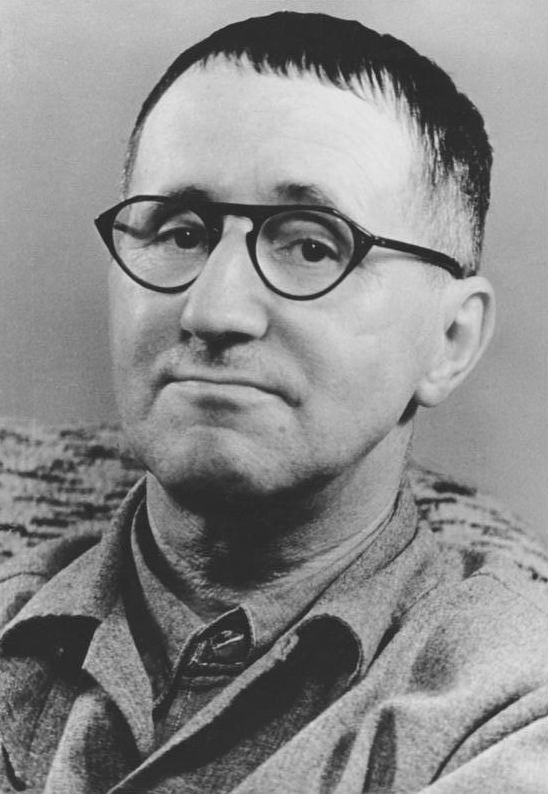
Then came playwright Bertolt Brecht, and together they became one of the great creative partnerships in 20th-century art. Their 1928 Threepenny Opera — home to the immortal “Mack the Knife” — was a sardonic gut-punch aimed squarely at capitalism and bourgeois society. The Nazis, unsurprisingly, were not fans.
A Commission, a Getaway, and a Ballet About Sin
When Hitler rose to power in 1933, Weill fled to Paris. He was barely there before a fascinating commission landed in his lap: a “sung ballet” about the seven deadly sins, co-funded by an eccentric British millionaire named Edward James. There was just one condition — James’s wife, the ballerina Tilly Losch, had to be in it. (James also happened to be a major patron of the Surrealists, so “eccentric” barely covers it.)
STORM LARGE: The Seven Deadly Sins
Music by Anna Clyne, Kurt Weill, and favorites from Bizet’s Carmen | Apr 25 & 26
Here’s where it gets delightfully strange: Tilly Losch bore a striking resemblance to Lotte Lenya. So the lead role — a woman named Anna — was split in two. Anna I (sung by Lenya) is the pragmatic, clear-eyed realist. Anna II (danced by Losch) is all impulse and feeling. As Anna I sings, “She’s the one with the looks. I’m realistic… But we’re really one divided being.” Two women, one soul, navigating a complicated world. And the incomparable Storm Large performs both roles.
The piece premiered at the Théâtre des Champs-Élysées in Paris on June 7, 1933 — just months after Weill had escaped Germany. The Nazis promptly banned it.
America, Capitalism, and a House by the River
The story The Seven Deadly Sins tells is deceptively simple, and deeply unsettling. Anna’s family — represented by a quartet of male singers, with the bass memorably playing Anna’s mother — sends her out from Louisiana to make her fortune in the big cities of America: Memphis, Los Angeles, Philadelphia, Baltimore, San Francisco. The goal? Earn enough money to build a little house back home on the banks of the Mississippi.
Over seven episodes, Anna encounters each sin in turn: Sloth, Pride, Anger, Gluttony, Lust, Greed, Envy. But Brecht — never one to let an audience off the hook — frames the story so that the “sins” often look a lot like Anna simply being human: falling in love, asserting herself, needing rest. Whether the real moral failure belongs to Anna or to the world she’s navigating is a question the piece deliberately leaves open.
It’s also hard not to notice that the family back home is essentially sending Anna out to fend for herself while they wait comfortably by the river. The Epilogue’s cheerful “Now we’re coming back to you in Louisiana!” is either a happy ending or a quietly damning one, depending on where you sit. Brecht, characteristically, doesn’t tell you which.
Why It Still Resonates
Weill and Brecht eventually both made it to America — but they took very different paths once they got there. Brecht, the committed communist, eventually settled in East Germany. Weill fell in love with America, became a citizen in 1943, and spent the rest of his life writing for Broadway.
The Seven Deadly Sins sits at the hinge point between those two worlds — a piece born from political upheaval, steeped in the anxieties of Weimar-era Germany, and built around questions about ambition, morality, and what we’re willing to sacrifice to get ahead. Nearly a century later, those questions have lost none of their bite — wherever you land on the answers.
On Audio: Weill’s The Seven Deadly Sins
Ute Lemper | RIAS BERLIN Sinfonietta | John Mauceri Conductor
2024
(in German)